

Metal Hardware Coating Process
1. Overview
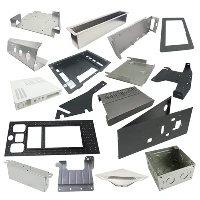
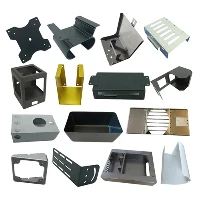
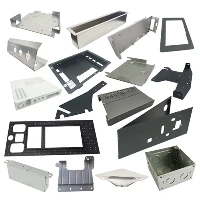
Metal hardware coating refers to the process of applying a protective or decorative coating to the surface of metal parts through spraying techniques. The purpose is to improve corrosion resistance, appearance, and service life. It is widely used in household appliances, machinery components, doors and windows, and hardware tools.
Coating methods can be divided into:
Liquid Coating
Paints, alkyd coatings, epoxy coatings, polyurethane coatings, etc.
Powder Coating
Electrostatic powder coating, which is environmentally friendly, solvent-free, and provides a uniform coating thickness.
2. Typical Coating Process Flow
2.1 Surface Pretreatment
Surface pretreatment is a critical step in ensuring coating quality. Its main purpose is to remove oil, rust, and oxide layers while improving coating adhesion.
Common methods include:
Degreasing: Solvent cleaning (e.g., acetone, thinner) or alkaline cleaning.
Rust Removal: Mechanical methods (sandpaper, wire brush) or chemical methods (acid pickling).
Phosphating: Enhances coating adhesion and corrosion resistance.
Note: Aluminum and stainless-steel parts require specialized cleaning and pretreatment processes.
2.2 Primer Application
Liquid Coating: Epoxy or polyester primers are commonly used to improve corrosion resistance.
Powder Coating: Primers are generally not required, although some high-performance applications may use a powder primer.
The main purpose is to enhance adhesion and corrosion protection.
2.3 Intermediate and Topcoat Application
Liquid Coating
Applied using air spray guns or airless spray systems.
Typical coating thickness: 20–50 μm, depending on design requirements.
Powder Coating
Powder is applied using an electrostatic spray gun and then cured in an oven.
Typical coating thickness: 60–120 μm, providing excellent uniformity.
2.4 Baking / Curing
Liquid Coating
Thermal curing: 80–120°C for 30–60 minutes.
UV curing: Special UV-curable coatings can cure almost instantly.
Powder Coating
Typically cured at 160–200°C for 10–20 minutes, allowing the powder to melt, flow, and form a continuous coating.
2.5 Post-Treatment
Surface Inspection: Check coating thickness, gloss, adhesion, and appearance defects.
Touch-Up: Repair any missed areas, bubbles, or coating defects.
Packaging: Protect coated parts from scratches during transportation and storage.
3. Comparison of Common Coating Methods
| Coating Type | Advantages | Disadvantages | Typical Applications |
|---|---|---|---|
| Liquid Coating | Smooth finish, high gloss, wide color selection | Uses organic solvents, stricter environmental requirements | Household appliances, decorative hardware |
| Powder Coating | Environmentally friendly, uniform thickness, excellent corrosion resistance | Limited color options, less suitable for highly complex geometries | Industrial components, automotive parts |
4. Key Quality Control Points
Thorough Surface Preparation
Residual oil or rust may cause blistering, peeling, or poor adhesion.
Controlled Coating Environment
Relative humidity ≤ 60%
Temperature: 15–30°C
Minimize dust contamination.
Uniform Coating Thickness
Verify using a coating thickness gauge.
Adhesion Testing
Cross-hatch adhesion test or pull-off test.
Proper Curing
Both liquid and powder coatings must be cured according to the specified temperature and time requirements to prevent coating failure or peeling.