Nanpi Jian Tong Hardware Manufacturing Co., Ltd
+86-317-8851956
 LanguageLanguage

What is Sheet Metal Fabrication
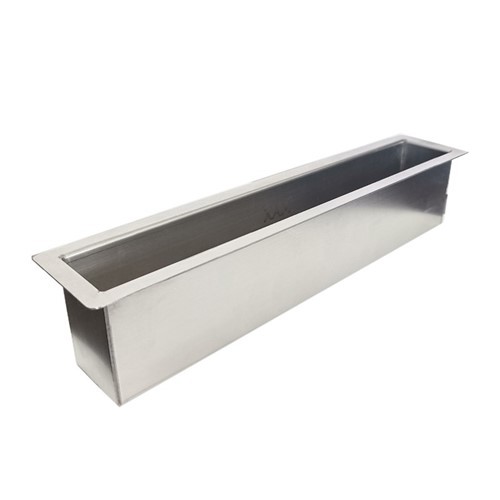
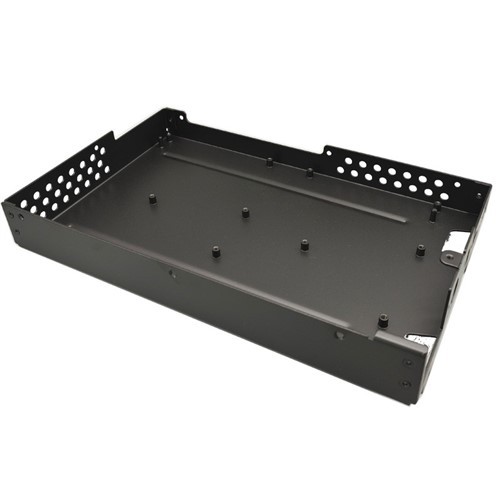
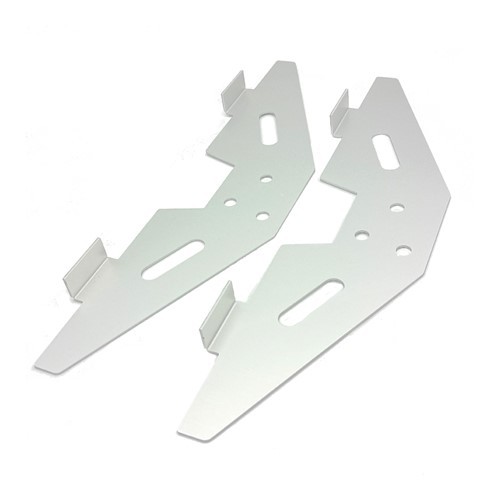
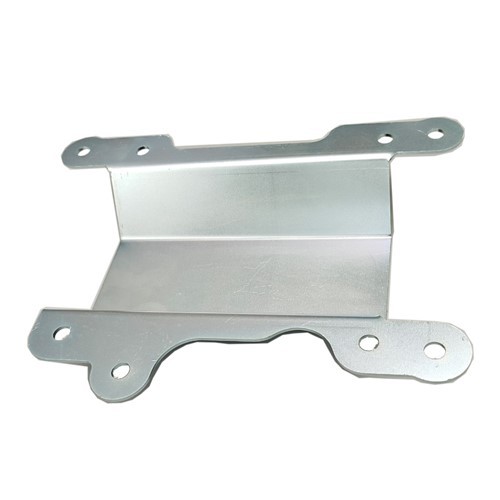
Sheet metal fabrication is the process of creating custom metal parts and components through cutting, bending, and shaping sheets of metal. This process includes cutting the sheets into specific sizes and shapes, assembling them into a finished product using welding or other joining methods, and applying surface finishes or coatings as needed. Sheet metal fabrication is used in a variety of industries, including automotive, aerospace, construction, and manufacturing, to create everything from simple brackets and ductwork to complex machinery and equipment.
Cost-effective
One significant advantage of sheet metal fabrication is its cost-effectiveness. Unlike other methods, such as casting or forging, sheet metal fabrication does not require expensive tooling or molds. The cost of tooling is a significant factor in many manufacturing processes and can increase the overall cost of production. With sheet metal fabrication, the cost of tooling is relatively low, and the product can be produced in large quantities efficiently. Furthermore, since sheet metal is readily available and easy to work with, it can be used for a wide range of products, making it an excellent option for mass production.
Versatility
Sheet metal fabrication is a very versatile process that can be used to create a vast range of products, from simple brackets to complex electrical enclosures. The process can be used to form the metal into virtually any shape, size, or thickness. Custom designs can be created using computer-aided design (CAD) software, allowing for precise and intricate designs. This versatility makes sheet metal fabrication an ideal choice for many products and industries.
Precision
Sheet metal fabrication is a highly precise process that can produce parts with tight tolerances. These tolerances are critical in many industries, such as aerospace or medical, where precision is essential. The accuracy of sheet metal fabrication ensures that the final product is consistent and reliable. The use of CNC machines and other advanced equipment further enhances accuracy, resulting in high-quality products.
Durability
Sheet metal products are known for their durability, making them an ideal choice for applications that require strength and resistance to wear and tear. Sheet metal products are also resistant to corrosion, rust, and other environmental factors, making them ideal for outdoor applications. Overall, sheet metal fabrication produces high-quality products that can withstand years of use.






01
High quality products
We always put customer needs and expectations in the first place, refine on, continuous improvement, to seek every opportunity to do better, to provide customers with their expectations of quality products, to provide customers with the most satisfactory service at anytime.

02
Competitive prices
We offer our products at competitive prices, making them affordable for our customers. We believe that high-quality products should not come at a premium, and we strive to make our products accessible to all.

03
Advanced equipment
We take great measures to ensure that we work with the industry's highest quality equipment and that our equipment is regularly and meticulously maintained.

04
Professional team
We have a team of skilled and experienced professionals who are well-versed in the latest technology and industry standards. Our team is dedicated to ensuring that our customers get the best service and support possible.


Finishing
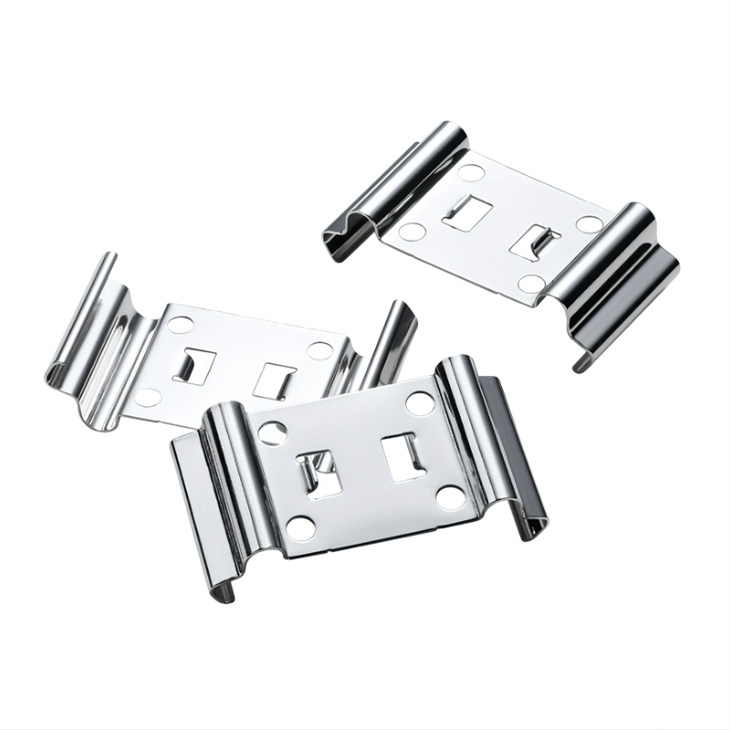
Finishing involves the application of coatings and finishes to the surface of the metal to improve its appearance and protect it from corrosion and other external factors. Some of the common finishing techniques include painting, powder coating, anodizing, and plating. Painting involves the application of a liquid paint to the surface of the metal. Powder coating involves the spraying of a dry powder to the surface of the metal, which is then baked to form a protective finish. Anodizing involves the creation of a protective layer on the surface of the metal through an electrochemical process. Plating involves the coating of the metal with a thin layer of another metal such as gold or silver.
Bending
Bending involves the deformation of a sheet metal into a desired shape through the use of a press brake or a rolling machine. The bending angle and radius depend on the needs of the project. There are different types of bends, including V-bend, U-bend, and channel bend. Bending is an essential step in the creation of various metal components such as brackets, enclosures, and boxes.
Forming
Forming involves the shaping of a sheet metal into complex three-dimensional shapes through various techniques such as deep-drawing, hydroforming, and stamping. Deep-drawing is a process that involves the use of a punch and die to stretch the metal into a deeper shape. It is suitable for manufacturing cylindrical and box-shaped components. Hydroforming is a technique that uses hydraulic pressure to shape the metal into different shapes, and it is suitable for complex shapes such as automobile body panels. Stamping involves the use of a stamping press to cut and shape the metal into the desired shape.
Assembly
Assembly involves joining two or more sheet metal components to create a finished product. There are different assembly techniques, including spot welding, TIG welding, MIG welding, and riveting. Spot welding uses an electric current to heat and join the metal at specific points. TIG welding and MIG welding are arc welding techniques that use a tungsten electrode and a wire electrode, respectively, to join the metal parts. Riveting involves the use of a rivet to join two metal components.
Aluminum
Aluminum is one of the most popular materials used in sheet metal fabrication. It is lightweight, strong, and corrosion-resistant. It is also easy to work with and can be used to create a wide range of products.
Stainless steel
Stainless steel is another popular choice for sheet metal fabrication. It is also strong and durable, making it ideal for various applications. Stainless steel is also resistant to corrosion and is easy to work with.
Carbon steel
Carbon steel is a type of steel that contains carbon. It is one of the most common materials used by sheet metal fabricators. Its physical and structural properties, such as strength, flexibility, and hardness, make it ideal for several heavy-duty projects.
Copper
Copper is a soft metal that is easy to work with. It has excellent resistance to corrosion and heat. Its fabricated parts are often used in electrical applications due to their conductivity.
Brass
Brass is an alloy of copper and zinc. Its strength, flexibility, and durability make it a perfect choice for metal fabrication projects. It is widely used to develop fabricated parts for a variety of industries.
Anodizing thickens the natural oxide layer on the metal, helping to give the component excellent corrosion and wear resistance properties. It improves the hardness and durability of the surface with a smooth, matte finish.
Bead Blasting (a.k.a. sandblasting) involves shooting a high-speed jet of sand or other abrasives against the sheet metal, giving it a matte texture and preparing it for coating.
Powder Coating involves directly spraying powdered paint onto the metal part, followed by curing the part in an oven or with ultraviolet light to form a wear-resistant layer of gloss or semi-gloss texture.
Polishing is when a cloth wheel "buffs" or rubs the metal surface, giving it a shiny look.
Electroplating is often used for decorative purposes but also corrosion resistance. Chrome-plating is one of its popular forms, used extensively in the automobile industry.

Specify hole diameters that are larger than the sheet thickness
Holes with a smaller diameter than the part's thickness can result in deformation or be inaccurate because of distortion caused by a laser beam. Stick to a hole diameter the same or greater than the sheet thickness.
Space holes at least twice the sheet thickness apart
Holes that are too close to each other might lead to deformation or a broken part during forming or bending.
Holes should be at least the sheet's thickness from the edge
If holes are placed too close to the edge, the hole is more likely to deform, especially if the part later undergoes forming.
Ensure holes are at least twice the sheet thickness from the start of the bend radius
If the hole is placed too close to the bend, it can become distorted or might act as an unintended relief cut.
Wall thickness
Since sheet metal parts are made from one sheet of metal, it's essential to maintain a uniform wall thickness throughout the part.
Remember the kerf
Laser, plasma, and waterjet cutting remove a small amount of material cutting process. This material loss is called a cutting kerf, and designers need to plan for this, especially if parts must fit into one another at assembly.
Add corner fillets
The outside corners of sheet metal parts are sharp, so adding corner fillets helps to avoid cuts from handling the part.
Sheet Metal Fabrication Tools
Sheet metal fabrication relies on a special set of tools across its processes to force the metal into the desired shape. Across multiple categories, however, CNC (Computer Numerically Controlled) machines have become a popular tool. CNC machines are computers that are programmed to perform specific tasks and achieve the exact specifications required to manufacture many products. They have gained enormous popularity for their precision and reduction of labor costs.
For the cutting processes, sheet metal fabrication uses band, miter, and chop saws, as well as cutting torches. Band saws have specially hardened blades and a feed to ensure even cutting. Chop and miter saws are also used, which have an abrasive disk specifically made for cutting sheet metal (chop saws move up and down, while miter saws can cut at an angle). Cutting torches (which use flame and a stream of oxygen) are also used in sheet metal fabrication. They can cut large pieces of sheet metal without much effort.
Sheet metal fabrication also involves the use of hydraulic breaks and rolling machines, as well as oxy-acetylene torches, in its forming processes. With breaks, sheet metal fabrication is simplified as they help create bends at predetermined angles.
Rolling machines are also used in sheet metal fabrication to form sheet metal into rolls, creating a more finished product in a shape like a roll of paper towels. Straightening warped steel during sheet metal fabrication is accomplished with an Oxy-acetylene torch. With straightening, heat is applied to the metal in a slow, linear fashion. Using this method, a highly skilled welder can remove even significant warpage.
Joining sheet metal often involves welding. After the sheet metal parts are formed, they are assembled and tack welded into place. Various welding techniques can be used in sheet metal fabrication to avoid warping or other visual defects. These include using a stout fixture, welding in a staggered manner, covering the metal with sand during the cooling process, and special straightening processes. Other joining technology includes rivet guns and brazing equipment.
Clean and inspect equipment regularly
The first step in maintaining sheet metal fabrication equipment is to regularly clean and inspect all parts, including blades, flanges, rollers, and other moving parts. This will help ensure that the equipment is functioning properly and catch any potential problems before they become more serious.
Lubricate moving parts
Moving parts need to be lubricated regularly to prevent wear and tear, friction, and unnecessary strain on the equipment. Make sure to select the appropriate lubricant based on the type of metal being fabricated and the environment in which the equipment is located.
Check for wear and tear
Over time, the blades, dies, and other parts of the sheet metal fabrication equipment can wear out. Regularly inspect these parts and replace them as needed to maintain the equipment's performance.
Keep the work area clean
Dust, debris, and metal shavings can accumulate around sheet metal fabrication equipment and cause damage or interfere with the equipment's operation. Regularly cleaning the work area and removing debris can help prevent this.
Train operators properly
Proper training of operators is essential to ensure that sheet metal fabrication equipment is being used correctly. Operators should be trained on how to operate the equipment, how to properly maintain it, and how to identify potential problems.
Maintain a record of maintenance activities
Keeping a record of all maintenance activities, including inspections, repairs, and replacements, can help detect patterns and identify potential issues that may require more frequent attention or replacement.
Founded in 2008, Jiantong Hardware is one of the leading Chinese OEM manufacturer that provides a complete spectrum of custom metal fabrication services to the global customers. These services include metal fabrication, precision stamping and deep drawing, metal forming, welding, tool & die work, machining, powder coating,anodizing and laser cutting. We also provides a broad range of prototyping and tooling, EDM cutting, assembly and much more.

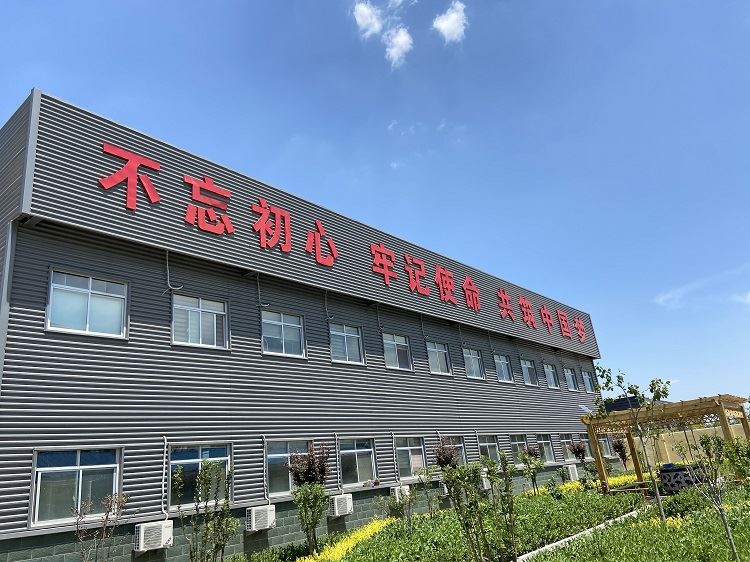


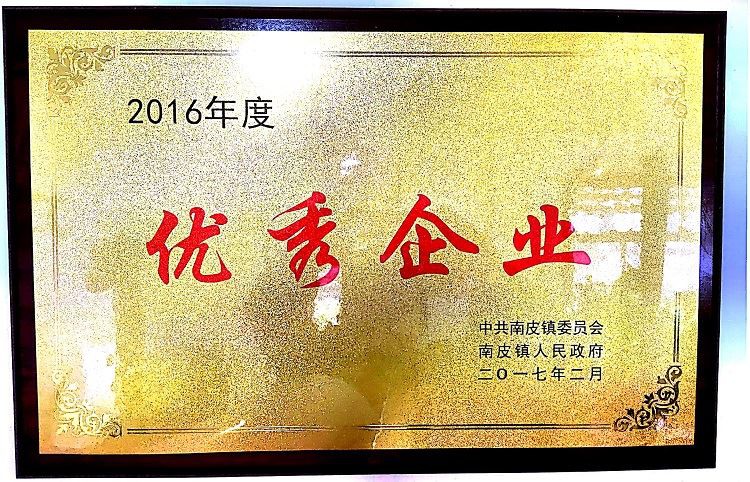

We're well-known as one of the leading sheet metal fabrication manufacturers and suppliers in China. If you're going to buy cheap sheet metal fabrication, welcome to get quotation and free sample from our factory. All customized products are with high quality and low price.
CNC punching, fiber laser cutting, stainless steel laser cutting(0/10)
