

Sheet Metal Enclosure Surface Finishing Processes: A Complete Guide
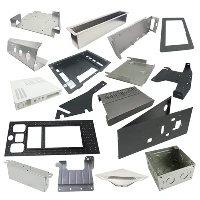
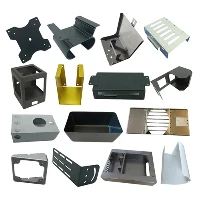
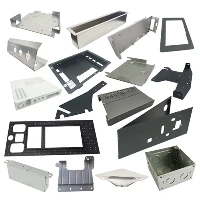
When it comes to sheet metal enclosures-such as electrical control cabinets, communication cabinets, instrument housings, and server chassis-the surface finishing process plays a critical role in improving corrosion resistance, durability, aesthetics, and electrical performance. Choosing the right finishing method can enhance product quality and lifespan.
1. Pre-Treatment: The Foundation for All Coatings
Before painting or plating, surface pre-treatment is essential:
Degreasing: Removes oils from stamping and bending
Rust Removal: Eliminates oxidation and rust
Washing: Cleans residual chemicals
Surface Conditioning: Improves coating adhesion
Phosphating: Forms a protective phosphate layer
Passivation: Enhances corrosion resistance
Common pre-treatment methods include:
Iron-based phosphating
Zinc-based phosphating
Environmentally friendly phosphate-free nano-ceramic coating
2. Powder Coating (Electrostatic Spray)
Powder coating is the most widely used finishing process for industrial enclosures.
Process Flow: Pre-treatment → Electrostatic Powder Spraying → High-Temperature Curing (180–200°C) → Cooling
Advantages:
Excellent corrosion resistance
Thick coatings (60–120μm)
Strong impact resistance
Environmentally friendly, solvent-free
Wide range of colors
Disadvantages:
Relatively thick layer may affect precision fits
Popular Colors:
RAL7035 (Light Grey)
RAL7032 (Pebble Grey)
RAL9005 (Black)
RAL9016 (White)
Applications:
Electrical cabinets
Network cabinets
Industrial equipment enclosures
3. Liquid Painting
Process Flow: Pre-treatment → Primer → Topcoat → Baking
Advantages:
Smooth surface finish
Rich color options
Can achieve high-gloss, matte, or metallic effects
Disadvantages:
Higher VOC emissions
Slightly lower wear resistance than powder coating
Common Types:
Acrylic paint
Polyurethane (PU) paint
Epoxy paint
Fluorocarbon paint
Applications:
High-end equipment enclosures
Medical devices
Display or showcase equipment
4. Electroplating
Electroplating deposits a metal layer on the steel surface for protection and aesthetics.
Common Electroplating Types:
Zinc Plating: Blue-white, black, or color zinc for rust protection
Nickel Plating: Wear-resistant, decorative
Chrome Plating: High hardness, bright surface
Applications:
Hardware accessories
Fasteners
Decorative panels
5. Aluminum Anodizing
For aluminum enclosures only, anodizing produces a durable oxide layer.
Advantages:
Excellent corrosion resistance
High wear resistance
Strong metallic texture
Color retention
Popular Colors: Natural, Black, Silver, Gold, Blue
Applications:
Industrial control enclosures
Communication equipment
High-end instruments
6. Brushed Finish
Mainly applied to stainless steel or aluminum panels to create a uniform texture:
Linear brush
Random pattern
Snowflake pattern
Benefits:
Enhances visual appeal
Hides minor scratches
Often combined with anodizing or vacuum coating.
7. Screen Printing
Used for marking logos, instructions, or panel labels.
Advantages:
Low cost
Strong adhesion
Suitable for post-painting or powder coating
8. Laser Marking
Laser marking provides permanent, high-precision labeling without wear.
Applications:
Serial numbers
QR codes
Nameplates
9. Stainless Steel Passivation
For 304 or 316 stainless steel enclosures, passivation:
Removes free iron
Improves corrosion resistance
Maintains size and appearance
Applications: Food equipment, medical devices, outdoor enclosures
10. Electrophoretic Coating (E-Coating)
Process Flow: Pre-treatment → Electrophoretic Deposition → Washing → Baking
Advantages:
Uniform coating
Excellent coverage, including corners
Superior corrosion resistance
Disadvantages: Limited color options
Applications: Automotive components, high-corrosion-resistant enclosures
Recommended Finishing by Material
| Material | Recommended Surface Finish |
|---|---|
| Cold-rolled steel (SPCC) | Phosphating + Powder Coating |
| Galvanized steel (SECC) | Passivation + Powder Coating |
| Stainless steel 304 | Brushed Finish + Passivation |
| Aluminum | Anodizing |
| Aluminum Alloy Enclosures | Anodizing + Brushed Finish |
| Outdoor Cabinets | Hot-dip Galvanizing + Powder Coating |
| High-end Equipment Enclosures | Liquid Paint + Screen Printing |
Industry Standard Solution
For industrial enclosures, control cabinets, and communication cabinets, the most cost-effective and widely used process is:
Degreasing & Rust Removal → Phosphating (or Nano-Ceramic) → Powder Coating → Screen Printing
Benefits:
High corrosion resistance (500–1000 hours salt spray test)
Attractive appearance
Cost-efficient for large-scale production
Conclusion:
Among all sheet metal finishing processes, powder coating remains the industry standard, offering the best combination of durability, aesthetics, and cost-efficiency for metal enclosures.