Nanpi Jian Tong Hardware Manufacturing Co., Ltd
+86-317-8851956
 LanguageLanguage

What is Metal Stamping
Metal stamping is a manufacturing process where a metal sheet is placed on a stamping press and a die is used to shape and cut the metal into the desired form. The process involves using a force to deform or cut the sheet metal to achieve a specific shape or design. The material used in metal stamping can include various types of metals such as steel, aluminum, copper, brass, and nickel. Metal stamping is a common manufacturing technique used in industries such as automotive, construction, and electronics to create a variety of metal components and parts.
High Precision
Metal stamping is an incredibly precise process that allows manufacturers to produce complex geometries and tight tolerances with high repeatability. The stamps and dies used in the process are custom-designed to exact specifications, ensuring that each part produced will come out with the same precise dimensions time and time again. This level of precision is essential in industries such as automotive, aerospace, and medical devices, where even the slightest deviation in size or shape can have critical implications.
Cost-Effective
Metal stamping is a cost-effective process due to its high volume production capability. Once the dies are created, they can be used to produce large numbers of parts quickly and efficiently. This means that the cost per part decreases as the volume produced increases, making metal stamping ideal for mass production of components.
Versatility
Metal stamping is a versatile process that can be used on a wide range of metals, including steel, aluminum, brass, copper, and stainless steel. Additionally, parts can be stamped in various thicknesses, allowing for greater design flexibility and the ability to create components where strength and weight are critical factors.
Durability
Parts produced through metal stamping tend to be more durable and resistant to wear and tear than components made using other fabrication techniques. This is because the stamping process compresses the metal fibers, increasing their density and making them stronger. The resulting parts are therefore more likely to withstand heavy use over time and require less maintenance and repair.
Quick Turnaround Time
The metal stamping process is fast and efficient, allowing manufacturers to produce high volumes of parts quickly. Once the dies and stamps have been created, the production process can be carried out without any significant lead time or setup costs. This makes metal stamping ideal for projects that require a quick turnaround time, such as in the automotive, consumer goods, and construction industries.
Customization
Metal stamping allows companies to create custom parts and products that meet specific design requirements. With the ability to create custom stamps and dies, manufacturers can produce parts with unique shapes, sizes, and features that are tailored to meet specific customer needs. This customization can be critical for companies looking to differentiate themselves from competitors or create niche products where there is a gap in the market.


01
High quality products
We always put customer needs and expectations in the first place, refine on, continuous improvement, to seek every opportunity to do better, to provide customers with their expectations of quality products, to provide customers with the most satisfactory service at anytime.

02
Competitive prices
We offer our products at competitive prices, making them affordable for our customers. We believe that high-quality products should not come at a premium, and we strive to make our products accessible to all.

03
Advanced equipment
We take great measures to ensure that we work with the industry's highest quality equipment and that our equipment is regularly and meticulously maintained.

04
Professional team
We have a team of skilled and experienced professionals who are well-versed in the latest technology and industry standards. Our team is dedicated to ensuring that our customers get the best service and support possible.
Progressive metal stamping
Progressive metal stamping is used to produce complex parts that require multiple operations. The process involves feeding sheets of metal through a series of dies, each one cutting and shaping the material until the final form is achieved. This process is ideal for high-volume production runs where consistency and speed are essential.
Deep drawn metal stamping
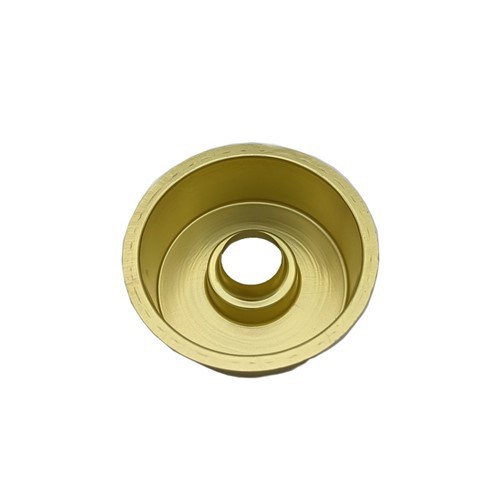
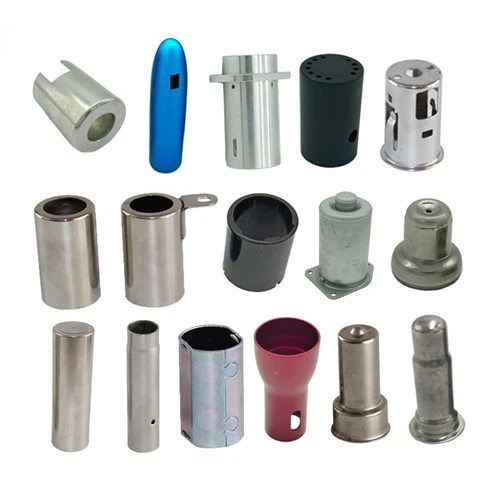
Deep drawn stamping is used to produce parts with a depth greater than their diameter. The process involves forcing a flat sheet of metal into a forming die to create a cup-like shape. This technique is particularly useful for producing items like oil filters, cooking pots, and beverage cans.
Precision metal stamping
Precision metal stamping is used to produce parts with intricate shapes or tight tolerances. The process uses specialized equipment and lubricants to prevent deformation during the stamping process. This technique is commonly used in the aerospace, medical, and electronics industries.
Automotive metal stamping
Automotive metal stamping is used to produce parts for the automobile industry. The process involves using progressive dies to create complex shapes like door panels, hoods, and fenders. Quality and consistency are critical in this industry as parts often need to fit together precisely to maintain safety and performance standards.
Coining metal stamping
Coining is a technique used to produce high-precision parts with smooth surfaces and intricate details. The process involves applying a tremendous amount of force to the metal sheet, causing it to deform and take on the shape of the die. This technique is often seen in the production of coins, emblems, and medallions.
Blanking metal stamping
Blanking is the process of cutting large sheets of metal into smaller, specific shapes. The process involves using a punch and die set to remove a section of the sheet, leaving behind the desired shape. These shapes are then used as the foundation for other stamping processes like embossing or engraving.
Embossing metal stamping
Embossing involves using a patterned die to create raised designs on a metal surface. The process is commonly used to produce decorative items like signs, nameplates, and badges. Embossing can be done on a wide range of metals, including aluminum, brass, and stainless steel.
Engraving metal stamping
Engraving is the process of removing material from a metal surface to create a design or pattern. The process involves using a rotary cutter or laser to carve the design into the metal. Engraving is commonly used in the production of signage, jewelry, and promotional items.
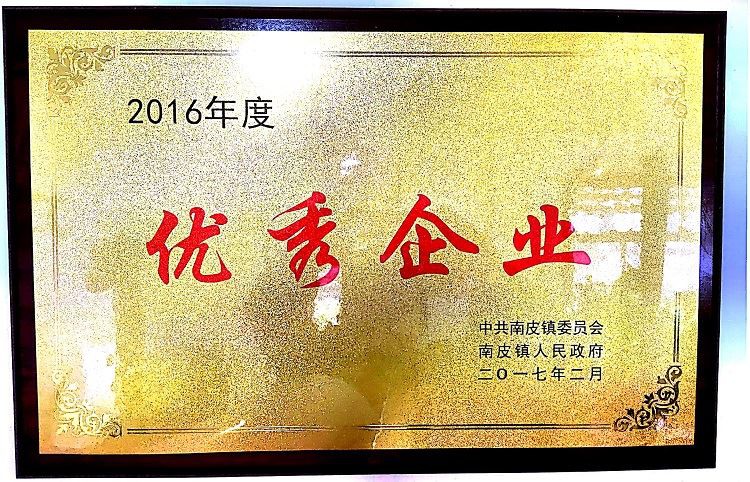
The company is a 'Member of China Interior Decoration Association', 'National Excellent Enterprise in Air Interior Decoration', and was rated as 'Top Ten Brands of Electric Curtains', with 7 product patents, and it is well-known in the industry.
The selected materials undergo preparation processes like cutting, slitting, and leveling to obtain the proper dimensions and flatness necessary for stamping. The prepared metal sheets or coils are then fed into the stamping press, where an automated feeding mechanism ensures precise positioning for accurate stamping.
As the stamp press initiates its action, the dies close together, subjecting the metal to high force and pressure. This pressure deforms the material, shaping it according to the contours of the dies. There are also a variety of metal-forming processes that may be involved in stamping. These include blanking (cutting out the desired shape), bending (creating angles or curves), coining (adding fine details), and punching (making holes or cutouts), which these experts perform sequentially or simultaneously, depending on the part design.
After stamping, these professionals may apply additional post-processing steps, such as deburring (removing sharp edges), cleaning, surface treatment, and coating, to enhance the appearance, durability, and functionality of the stamped parts.
Metal stamping is an efficiency-focused strategy that is a cornerstone of high-volume, cost-effective production in various industries. It streamlines manufacturing and lowers costs by reducing the need for equipment, labor, and time, offering significant cost reductions for large-scale manufacturing. When compared to machining, which removes material to create parts, stamping is generally more material-efficient and faster for high-volume production. In contrast, compared to forging, stamping can be more cost-effective for certain complex and precise part geometries, offering advantages in terms of speed and consistency.
Copper alloys
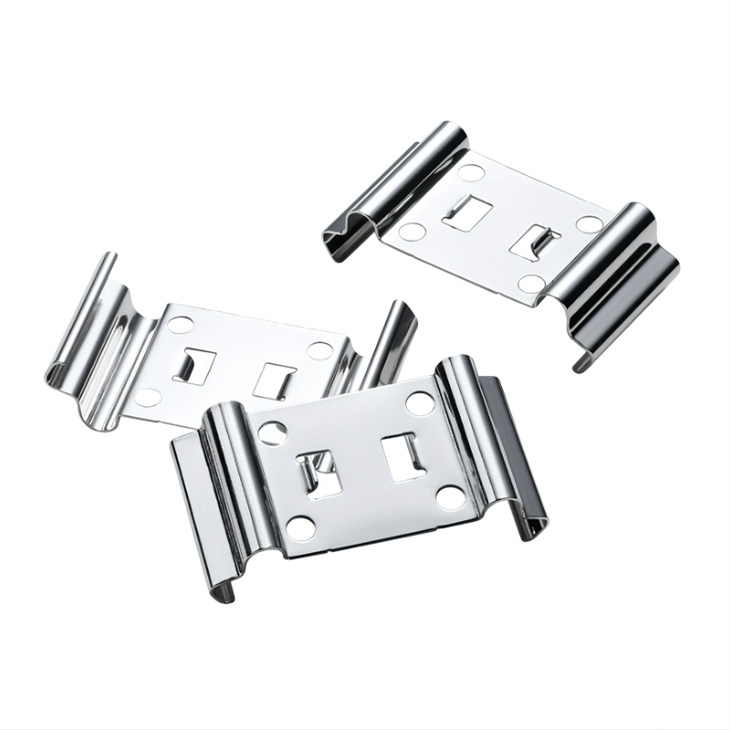
Known for their electrical conductivity, malleability, and corrosion resistance, making them ideal for electrical and HVAC applications. Copper alloys' exceptional malleability makes them ideal for metal stamping, allowing the production of intricate shapes.
Steel alloys
Steel and its alloys, known for versatility, affordability, and strength, serve as the backbone of the mechanical industry and are well-suited for general metal stamping. Soft, malleable steel alloys can be stamped and subsequently heat-treated for increased hardness.
Aluminum alloys
These are lightweight, corrosion resistant, and thermally conductive, and are often used in the aerospace and automotive industries. Aluminum and its alloys, known for their flexibility and malleability, can be easily shaped into intricate geometric forms through the metal stamping process.
Specialty metals
Such as titanium and nickel-based alloys are tailored for extreme conditions. They offer high strength and resistance to various factors such as corrosion, extreme temperatures, and aggressive environments, depending on the specific alloy and application. Specialty metals retain strength in demanding fields such as: aerospace, nuclear, energy, marine, and chemical industries. Their formidable properties, however, can complicate metal stamping, and they generally come at a higher cost.
What Industries Can Benefit from Metal Stamping

Hospitality and food service industries
The hospitality and food service industries require a variety of customized metal parts and products, which makes the versatility of metal stamping a great asset. The process can be used to fabricate everything from deep and durable sinks to sturdy counters and parts for kitchen equipment and other machines.

Shipping and transportation industries
The shipping industry would grind to a halt without a steady supply of parts for its vehicles. That makes metal stamping, with its speed and efficiency, a vital fabrication process. It reliably produces a high volume of identical parts, from fenders to fuel injectors. With metal stamping applications, businesses that maintain large vehicle fleets can always be sure they have the inventory they need.

Public transportation manufacturing
In the field of public transportation manufacturing, it’s crucial to meet deadlines and stick to budgets. Metal stamping is a reliable way to complete a project on time without breaking the bank. Once the dies and presses have been produced, the repetitive and easily automated stamping process makes manufacturing components extremely efficient and cost-effective, since high volumes of parts are produced over time.

Military and defense companies
Military and defense contractors share the public transportation industry’s focus on deadlines and costs. In addition, defense contractors work in an industry where precision, durability and reliability are nonnegotiable. Metal stamping provides the kind of quality control and transparency defense contractors need for production. The process can be monitored, recorded and adjusted in real time. These abilities ensure that parts meet the highest standards and that the manufacturer has the documentation to prove this.

Metal stamping is a manufacturing process in which a piece of sheet metal is cut and formed using hydraulic or pneumatic presses rated for the amount of force needed. Sheet metal exhibits a wide thickness spectrum, from ultra-thin foils to robust plate steel. Sheet metal gauges span from the delicate 38-gauge (0.0063”/0.16 mm thick) foil to the substantial 7-gauge (0.5”/12.70 mm thick) plate steel. Anything thicker than 25 gauge (0.020"/0.56 mm) is deemed heavy gauge, with dimensions exceeding 0.5 inches. The force required depends on the metal type, with ferrous metals like stainless steel needing more force compared to metals like copper and aluminum. Presses can generate from 10 to 50,000 tons of pressure. Material selection aligns with the application's demands, while the press choice is tailored to fulfill the design's requirements using the chosen material.
A metal fabrication method involving moving machinery, sharp metal edges, and crushing force can present worker hazards. These include electrical shocks, pinch points, noise exposure, and flying debris. To reduce these dangers, operators should make sure to use the proper personal protective equipment (PPE), such as: safety shoes, goggles, gloves, and earplugs. Prioritizing safety while using metal stamping machines is essential. Operator education plays a large role in avoiding injuries.

Founded in 2008, Jiantong Hardware is one of the leading Chinese OEM manufacturer that provides a complete spectrum of custom metal fabrication services to the global customers. These services include metal fabrication, precision stamping and deep drawing, metal forming, welding, tool & die work, machining, powder coating,anodizing and laser cutting. We also provides a broad range of prototyping and tooling, EDM cutting, assembly and much more.

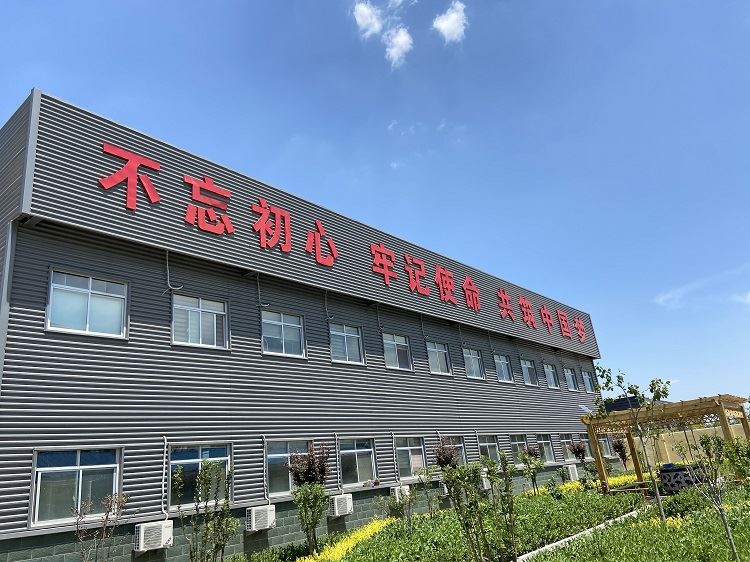



We're well-known as one of the leading metal stamping manufacturers and suppliers in China. If you're going to buy cheap metal stamping, welcome to get quotation and free sample from our factory. All customized products are with high quality and low price.
Deep Drawn Cans Used for Motor Housing, Powder Coated Small Data Networking Cabinet, stainless steel laser cutting parts(0/10)
