
Laser cutting boasts extremely high precision, meeting the demands of precision customization.
* Positioning accuracy ±0.01~0.03mm: After focusing, the laser beam spot diameter can be as small as less than 0.1mm. Combined with the precise control of a CNC system, it can achieve the processing of complex contours, tiny holes (such as holes with a diameter of less than 0.5mm), and fine cuts, far exceeding traditional shearing and punching processes (precision typically ±0.1~0.5mm).
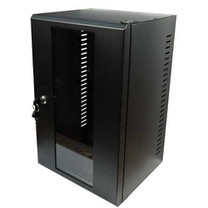
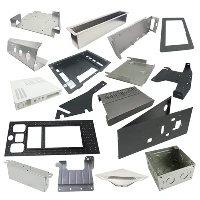
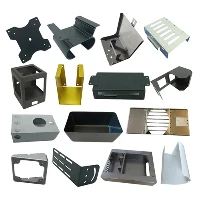
* Excellent cut quality: The heat-affected zone (HAZ) is extremely small (typically <0.1~0.3mm), sheet metal deformation is negligible, and the cut is smooth and flat (roughness Ra≤1.6μm). No subsequent grinding or polishing is required, directly meeting assembly or surface treatment (such as spraying, electroplating) requirements. It is especially suitable for the customized production of high-precision sheet metal parts (such as equipment housings, precision brackets, and electronic components).
* Example: For metal connectors in customized medical equipment and fine openings in battery trays for new energy vehicles, laser cutting can directly meet design tolerance requirements, reducing rework rates.
* 2. High Cutting Efficiency, Suitable for Batch and Small-Batch Production
High-Speed Cutting Capability: For commonly used metal materials such as low-carbon steel and stainless steel, laser cutting speeds can reach 3-5 times that of traditional shearing machines and 5-10 times that of punch presses (e.g., cutting speed of 10mm thick low-carbon steel is approximately 1.5-2m/min, and 1mm thick stainless steel can reach 10-15m/min).
No Mold Dependence, Low Changeover Costs: Unlike stamping processes, laser cutting does not require the creation of dedicated molds. Only CAD software is needed to draw the graphics and import them into the CNC system, allowing for rapid product switching. This is especially suitable for small-batch, multi-variety customized orders (such as personalized customer needs and sample production), reducing changeover time from hours to minutes.
Strong Continuous Processing Stability: Utilizing non-contact cutting, the laser beam has no physical friction with the sheet metal, avoiding problems such as tool wear and workpiece scratches. Consistent precision is maintained during continuous processing, making it suitable for large-scale standardized production (such as appliance casings and communication equipment accessories).