
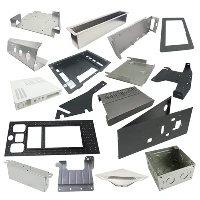
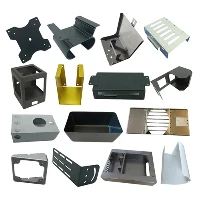
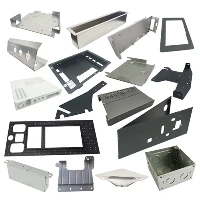

The following are some requirements that require attention during machining:
Machining Precautions
Operating Procedures
Operators must strictly adhere to operating procedures and must not leave their workstations without authorization. The power and air supply must be turned off when leaving.
Equipment Use
Machine tools must not be overloaded or used beyond their capacity. Regular preventive maintenance and equipment maintenance should be performed.
Workpiece Clamping
Workpieces must be clamped correctly and securely, avoiding heavy hammer strikes.
Mold Maintenance
Molds must be kept sharp and replaced promptly if blunt or damaged.
Safety Protection
Safety guards must not be removed at will, and machines without them must not be used.
Work Environment
Keep the work area clean and tidy. Tools, workpieces, or other debris should not be placed on the machine.
Equipment Monitoring
Monitor the machine's operation at all times during operation, and immediately stop and inspect any abnormalities.
Personal Protection
Operators must wear appropriate labor protection equipment, such as work clothes, hard hats, and safety glasses.
Emergency Procedures
Operators must be familiar with the location and operation of the emergency stop button to ensure prompt action in emergencies. Training and Assessment: Regular safety training and assessments are conducted to ensure that operators possess the necessary safety knowledge and skills.
Please note that the above precautions apply to most machining scenarios, but specific circumstances may vary. In actual operations, relevant safety regulations and operating guidelines should be strictly followed.


