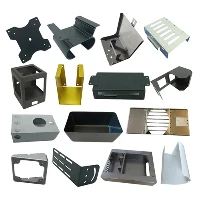
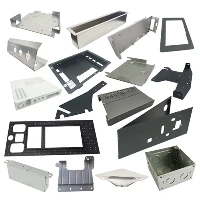

Hardware surface processing can be subdivided into: hardware painting, electroplating, surface polishing, and metal etching.
Surface processing of hardware parts:
1. Painting: Hardware factories often use painting when producing large hardware products. This process prevents rust on hardware parts, such as those found on everyday items, appliance housings, and handicrafts.
2. Electroplating: Electroplating is also a common process in hardware processing. Using modern technology, the surface of hardware parts is plated to prevent mold and rust from rusting over time. Common applications of electroplating include screws, stamped parts, battery cells, auto parts, and small accessories.
3. Surface Polishing: Surface polishing is commonly used on everyday items. It removes burrs from the surface of hardware products. For example, if we produce a comb, which is a stamped hardware part, the edges are very sharp. Polishing these edges to a smooth surface prevents them from causing any damage during use. External surface turning is a fundamental method for machining external surfaces in hardware fabrication, using lathes. In general machinery plants, lathes account for approximately 40% of the total machine tool fleet. Turning is the primary method for roughing and semi-finishing the external surfaces of various materials, and also serves as the final finishing method for materials that are not suitable for grinding.
For single-piece, small-batch production, external surface turning is typically performed on conventional lathes. For large-scale production, multi-tool semi-automatic or automatic lathes are widely used. Large disc-like parts should be machined on vertical lathes, while large, long shafts require heavy-duty horizontal lathes.
The advantages of external surface turning include:
1. Simple tooling, easy to manufacture, sharpen, and install;
2. The cutting process is smooth, with minimal cutting force fluctuation, facilitating high cutting speeds and improving productivity;
3. The machine tool's versatility allows for machining external surfaces, end faces, internal holes, threads, and chamfers in a single setup. The relative positional accuracy between surfaces is easily guaranteed.
4. Suitable for finishing non-ferrous metal parts.