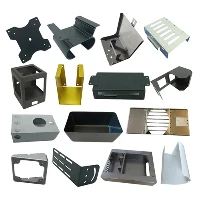
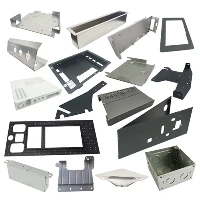

What are the advantages of sheet metal processing?
Sheet metal processing is a crucial metal forming process, widely used in electronics, telecommunications, automotive, and medical devices. Its core function is to produce desired parts or products through a series of cold working operations on sheet metal.
The following are the key features of sheet metal processing, which can be understood from several perspectives:
1. High production efficiency and ease of automation
Standardized processes: Sheet metal processing typically follows a standardized process flow (such as blanking, punching, bending, welding, etc.), making it well-suited for assembly line operations.
CNC and automation: Modern sheet metal processing makes extensive use of CNC equipment, such as CNC punch presses, laser cutting machines, and CNC bending machines. These machines are computer-controlled, enabling long-term, high-precision automated production, significantly improving efficiency.
Advantages of mass production: Once the molds and programs are ready, large-scale production can achieve extremely short production cycles per product, resulting in significant cost advantages.
2. Cost-effectiveness
High material utilization: Using CNC layout software, part patterns can be optimally arranged on the sheet metal, minimizing scrap and thus saving material costs. Relatively Low Mold Costs: For simple stamping processes, the mold structure is relatively simple, resulting in a short manufacturing cycle and lower costs than casting or forging molds. Some processes, such as laser cutting, do not even require molds.
Low Labor Costs: Due to the high degree of automation, relatively few operators are required, reducing labor costs.
3. High Product Strength and Light Weight
Cold Work Hardening: Sheet metal undergoes work hardening during cold working processes such as stamping and bending, which improves the strength and rigidity of the product to a certain extent.
Good Strength-to-Weight Ratio: Through appropriate structural design (such as adding ribs and curling), sheet metal parts can achieve sufficient strength and rigidity while maintaining a relatively low weight, conforming to the trend of lightweight design.
4. High Consistency and Stable Precision
CNC Equipment Guarantee: Sheet metal parts produced by CNC equipment have their size and shape precisely controlled by a program, eliminating human error and ensuring high consistency within the same batch.
Uniform Surface Quality: Standard surface treatment processes (such as electroplating, powder coating, and paint) ensure a uniform and beautiful surface quality. 5. Wide Range of Applications and High Flexibility
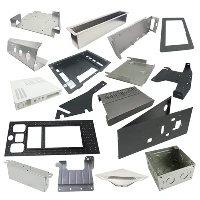
Material Diversity: A wide variety of sheet metal materials can be processed, including ordinary steel, galvanized steel, copper, aluminum, and stainless steel, meeting diverse requirements for conductivity, corrosion resistance, and wear resistance.
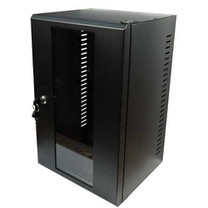
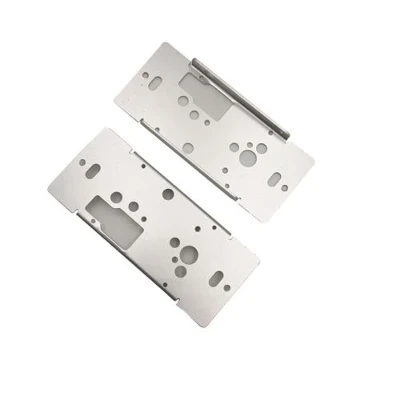
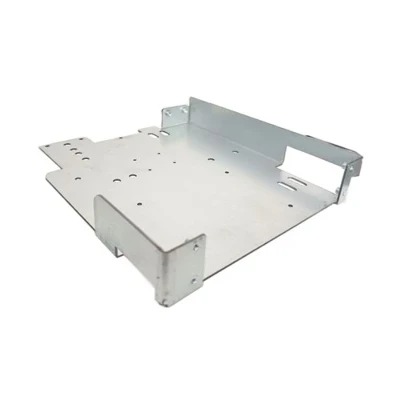
Shape Adaptability: Sheet metal processing can produce everything from simple flat parts to complex three-dimensional housings (such as chassis and cabinets). It is particularly suitable for producing boxes, brackets, and enclosures that require installation and connection.
Easy Modification: Compared to processes that require molds, sheet metal processing typically requires only modifying the CNC program for minor design changes, resulting in faster response and greater flexibility.
6. Inherent Process Limitations
Despite its numerous advantages, sheet metal processing also has some inherent characteristics (or limitations):
Uniform Wall Thickness: Sheet metal parts are typically machined from sheets of uniform thickness, making it difficult to produce complex parts with uneven wall thicknesses like casting.
Shape Limitations: Due to limitations in bending radius and molds, it is difficult to produce structures with complex curved surfaces or closed cavities. Post-processing required: Sharp edges and burrs generated during processing require deburring; cross-sections often require protective surface treatment to prevent corrosion.
Springback: During the bending process, the inherent elasticity of the metal can cause slight discrepancies between the bending angle and the die angle (i.e., springback), which requires compensation during design and programming.
In summary, sheet metal processing is an efficient, economical, and widely applicable metalworking method, particularly suitable for producing uniformly thick, hollow, thin-walled metal structural parts. It plays an indispensable role in modern manufacturing, a key process for achieving a balance between product structure, function, and appearance, as well as cost and efficiency.