Nanpi Jian Tong Hardware Manufacturing Co., Ltd
+86-317-8851956
 LanguageLanguage

What is Metal Enclosure
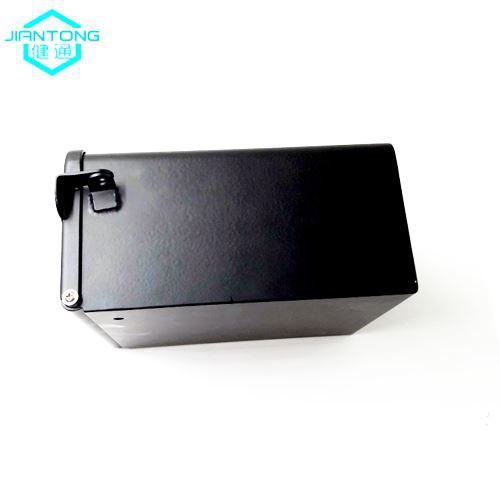
A metal enclosure is a protective housing made of metal that is used to contain and protect electrical or electronic components. Metal enclosures are commonly used in industrial settings to house equipment such as power supplies, control panels, and electronic instruments. They are usually made of materials such as steel, aluminum, or stainless steel and can be designed with various features such as ventilation, cable entry points, and locking mechanisms for added security. Metal enclosures are built to withstand harsh environments and can protect electronic equipment from dust, moisture, and other hazards.
Durability
One of the primary advantages of metal enclosures is their durability. Metal, particularly stainless steel, is incredibly strong and resistant to wear and tear. They are ideal for industrial and outdoor applications, where harsh weather conditions, dust, and other environmental factors can cause damage to other types of enclosures. Metal enclosures can withstand exposure to UV radiation, extreme temperatures, and moisture, ensuring long-lasting protection for the equipment inside it.
Trength
Metal enclosures are strong and can withstand significant impacts and pressure without deforming or breaking. This feature makes them a great choice for applications where the enclosure is subject to heavy vibration or stress. Metal enclosures provide reliable protection for the equipment or machinery inside it, ensuring that it functions correctly.
Versatility
Metal enclosures are incredibly versatile and can be customized to meet a wide range of requirements. They come in different shapes, sizes, and thicknesses, making them suitable for multiple applications, such as control panels, junction boxes, or cabinets. Additionally, the metal's surface finish can be altered to improve aesthetics or resistance to environmental factors.
Security
Metal enclosures provide secure protection for the equipment inside them. Most metal enclosures have a locking mechanism that makes it difficult for unauthorized persons to access the equipment. This feature is especially crucial for applications where valuable equipment or sensitive information is stored.
Shielding
Another significant advantage of metal enclosures is their ability to shield against electromagnetic and radio frequency interference. This feature makes them ideal for applications where sensitive electronic equipment must be protected from external electrical or magnetic fields that could interfere with the equipment's proper operation.
Cost-effective
Metal enclosures are relatively cost-effective, making them an attractive option compared to other enclosure materials. They offer excellent value for money and can handle varying degrees of mechanical stress, moisture, and other environmental elements, ensuring that equipment inside the enclosure does not get damaged.




01
High quality products
We always put customer needs and expectations in the first place, refine on, continuous improvement, to seek every opportunity to do better, to provide customers with their expectations of quality products, to provide customers with the most satisfactory service at anytime.

02
Competitive prices
We offer our products at competitive prices, making them affordable for our customers. We believe that high-quality products should not come at a premium, and we strive to make our products accessible to all.

03
Advanced equipment
We take great measures to ensure that we work with the industry's highest quality equipment and that our equipment is regularly and meticulously maintained.

04
Professional team
We have a team of skilled and experienced professionals who are well-versed in the latest technology and industry standards. Our team is dedicated to ensuring that our customers get the best service and support possible.
Wall-mount enclosures
Wall-mount enclosures are designed for equipment that needs to be mounted on the wall. These enclosures are commonly used in industrial and commercial applications, where space is limited. Wall-mount enclosures are typically small to medium-sized enclosures that are easy to install, and they often come with pre-punched holes for cables and wires. These enclosures are available in different materials, including steel, aluminum, and stainless steel.
Free-standing enclosures
Free-standing enclosures are a great option when wall-mount enclosures are not sufficient for the given application. Free-standing enclosures are available in a variety of sizes and are generally larger than wall-mount enclosures. These enclosures are designed to hold a considerable amount of equipment, and they are typically used for large control cabinets, data centers, and other industrial applications. They can also be used as server cabinets in high-end data centers.
Junction boxes
Junction boxes are commonly used in electrical applications as an enclosure for connecting wires and other electrical components. These boxes come in different sizes and materials such as steel, aluminum, and polyester. A junction box is typically installed in a wall or ceiling, and it is used to protect electrical connections from heat, moisture, and other environmental hazards.
Modular Enclosures
Modular enclosures are becoming increasingly popular in modern industrial applications. These enclosures are designed to be customizable, with interchangeable parts and a modular design that allows for easy configuration. Modular enclosures are an excellent option for those who need flexibility in their equipment protection.
Instrument cabinets
Instrument cabinets are used to house electronic equipment, and they come in different sizes and materials. These cabinets are often used in labs, hospitals, and other environments where precision equipment is used. Instrument cabinets are designed to be sturdy and secure, often with a locking mechanism to protect the equipment inside.
Terminal boxes
Terminal boxes are used to provide protection for terminal connections, electrical connections, and circuit breakers. They are designed to be simple and inexpensive, and they come in a variety of sizes and materials. Terminal boxes are often used in automation and control applications.


Around telecommunications equipment
Broadband cables and computer servers are just two examples of telecommunications equipment that needs to be protected by electrical enclosures. This equipment is typically very sensitive and so needs a sturdy casing that can keep it safe, whilst also providing adequate ventilation so that it does not overheat. This latter requirement is very important for high powered equipment such as computer servers, as these can slow down and cause disrupted or even totally interrupted data processing if they overheat.
Floor standing enclosures for telecommunications equipment can be located either outdoors or inside a property, and they can be either publicly maintained or private property. The enclosure around telecommunications equipment can also be mounted on a pole or on a wall. Many telecommunications companies make a particular type of high quality enclosure a key part of any installation that they perform.
Fuse boxes
Fuse boxes (also known as consumer units) are a popular example of steel enclosure. They are used by ordinary homeowners in every home with an electrical supply. The outer metal casing of a fuse box protects the circuit breakers on your fuse board and also provides you with an additional layer of protection from the live wires that lie just beneath the fuse board. Fuse boxes are usually situated either within a lockable cupboard or high up on the wall to keep them out of the reach of children.
Many fuse box enclosures have viewing windows located behind a flip-down cover. That means that if a circuit breaker trips within your home, all that you need to do is to take a look through the viewing window of the enclosure around your fuse box and you will instantly be able to pinpoint where the problem lies.
Floor standing enclosures for utilities
Vial pieces of equipment such as the control panels for utilities such as wind farms or industrial freezer systems very often benefit from being enclosed in a specialised metal framework. The metal enclosures used for utilities can have a number of benefits, including reducing condensation around a control panel, ventilation (or other forms of heat management), filtering signals and shielding the control panel from electromagnetic currents that might interfere with their working.
Floor standing enclosures are required for larger projects such as large network components and big industrial speed drivers. These larger size cabinets can be connected together to form an even larger enclosure. They can accommodate electrical components associated with utilities such as wind farms. Swing doors, shelves and additional ventilation units are all common additions to the enclosure in this context.
Warehouses
Condensation and electromagnetic signals are not the only contaminants that electrical equipment needs to be protected from. Electrics also need to be protected from dust, and this is found in abundance in warehouses. Any warehouse or other dusty building or space that uses electrical equipment should thus also have an electrical enclosure installed to protect that equipment. The main way in which dust adversely affects electrical equipment is by impeding electrical conduction.
A layer of dust can also have an insulating effect on a circuit and cause it to overheat. Finally, dust often attracts and absorbs moisture, which can lead to short circuiting. Protect your warehouse's electrics from all of these ill effects with one simple step: installing a metal enclosure around them.
External Enclosures
While steel certainly offers an economical and robust solution, you may want to consider an alternative material for outdoor applications. Steel can rust especially if it doesn't have any shelter and is left open to the elements. We recommend GRP (Glass Reinforced Polyester) or the more cost effective but with less tensile strength ABS enclosure (Acrylonitrile Butadiene Styrene) design.
As more and more companies embrace renewability and focus on going green, they're looking at proper enclosures for their energy and electronic equipment. Selecting the right enclosure the first time helps improve the design and ensure the success of each new project. As more and more companies embrace renewability and focus on going green, they're looking at proper enclosures for their energy and electronic equipment. Selecting the right enclosure the first time helps improve the design and ensure the success of each new project.
Selecting the proper metal thickness is vital to a successful design. It's the difference between a product lasting and failing during transportation, installation or while deployed in the field.
Incorrect material thickness can have many consequences, ranging from minor to catastrophic. For example, an unnecessarily thick piece of metal can add too much weight to an enclosure. The additional weight makes it difficult to transport and install the product. It can also cause product failure in the field. Think of a tall kiosk installed in a public domain. For safety reasons, you would not want to chance that tipping on a customer or user.
let's use a utility cabinet as an example. A company may request a thinner gauge panel for the door to make it easier to open. If the gauge is too thin, the metal can bow and bend from the repeated motion of the door opening and closing. The bowing of the door means that it will likely need to be replaced for multiple units and will result in higher material costs, rework and maintenance hours.
One of the most obvious advantages in dry type transformers is that most transformers are air cooled, meaning that the natural circulation of the surrounding air is utilized to carry away the heat generated by the losses. In this environment the metal enclosure protects the windings from mechanical injury.
An additional benefit of metal enclosures is that metal enclosures are a lot more resistant to weather. If you live in hard conditions where you experience a lot of rain or moisture then you must consider the material. In wet conditions, metal enclosures are a good selection. This is because even with protected plastics, there is a lot of chance of the plastic swelling up. Plastic is not preferred because of deforming issues especially when that plastic is attached to metals.
Metal enclosures may be used to discourage unauthorized access to live internal parts. In addition the enclosure may also include fuses and other accessories. The enclosure offers protection from contaminants such as moisture but also other issues like dust, metallic dust, and chemicals.
Another plus point that you will have with a metal enclosure is that it blocks all sorts of electrical interfaces. If you near an area with higher levels of noise pollution than a heavy shielded metal enclosure will block all sorts of interference’s as well as offer static protection.
The enclosure is designed to encase sensitive devices or components such as transformers, switchgear, and various control panels. It provides a secure environment that prevents access to unauthorized personnel or hostile elements that can damage the internal components. The enclosure also helps to maintain the integrity of the equipment by minimizing the intrusion of foreign materials that may cause damage to sensitive equipment.
Maintenance metal enclosures are created using a variety of processes. Some are made by extruding aluminum, while others are molded from plastic. The process used depends on the specific application and the level of corrosion resistance required. Enclosures can also be painted, powder-coated, or have a plating finish to ensure added protection against corrosion and UV rays.
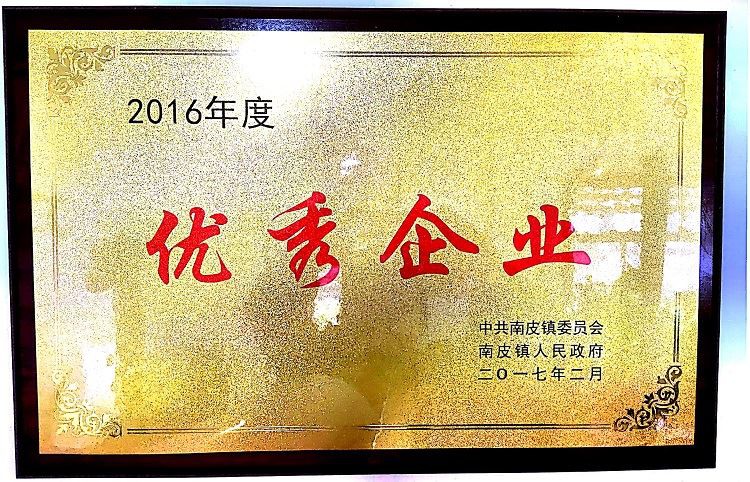
Founded in 2008, Jiantong Hardware is one of the leading Chinese OEM manufacturer that provides a complete spectrum of custom metal fabrication services to the global customers. These services include metal fabrication, precision stamping and deep drawing, metal forming, welding, tool & die work, machining, powder coating,anodizing and laser cutting. We also provides a broad range of prototyping and tooling, EDM cutting, assembly and much more.

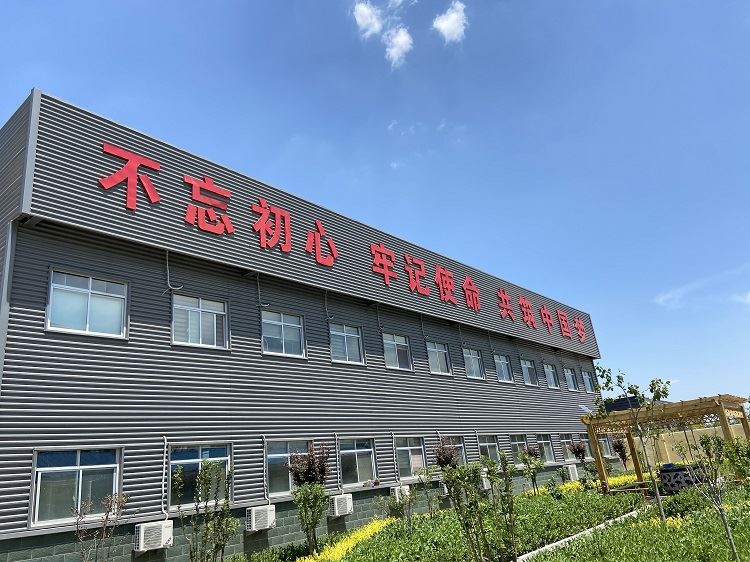



We're well-known as one of the leading metal enclosure manufacturers and suppliers in China. If you're going to buy cheap metal enclosure, welcome to get quotation and free sample from our factory. All customized products are with high quality and low price.
wall mount enclosure, sheet metal enclosure, Cabinet and Enclosure(0/10)
