Nanpi Jian Tong Hardware Manufacturing Co., Ltd
+86-317-8851956
 LanguageLanguage

What is Deep Drawing
Deep drawing is a metal forming process that involves the use of a punch and a die to turn a flat sheet of metal into a three-dimensional object. The process involves the metal being pushed into a die cavity, which is deeper than its original depth, to form the desired shape. The metal is typically held in place by a blank holder, and lubricant may be added to reduce friction and prevent surface damage. The process is commonly used to manufacture metal products such as cans, automobile parts, and kitchen sinks.
High quality products
We always put customer needs and expectations in the first place, refine on, continuous improvement, to seek every opportunity to do better, to provide customers with their expectations of quality products, to provide customers with the most satisfactory service at anytime.
Competitive prices
We offer our products at competitive prices, making them affordable for our customers. We believe that high-quality products should not come at a premium, and we strive to make our products accessible to all.
Advanced equipment
We take great measures to ensure that we work with the industry’s highest quality equipment and that our equipment is regularly and meticulously maintained.
Professional team
We have a team of skilled and experienced professionals who are well-versed in the latest technology and industry standards. Our team is dedicated to ensuring that our customers get the best service and support possible.
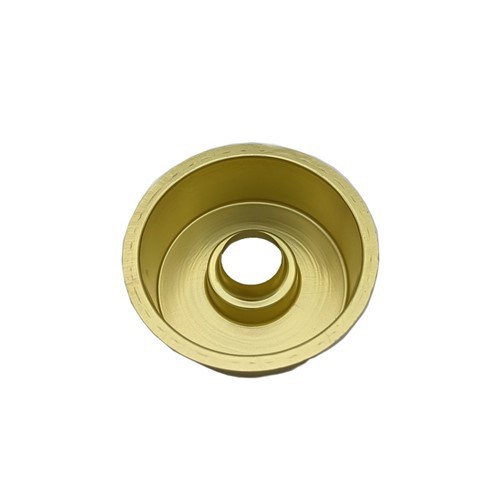
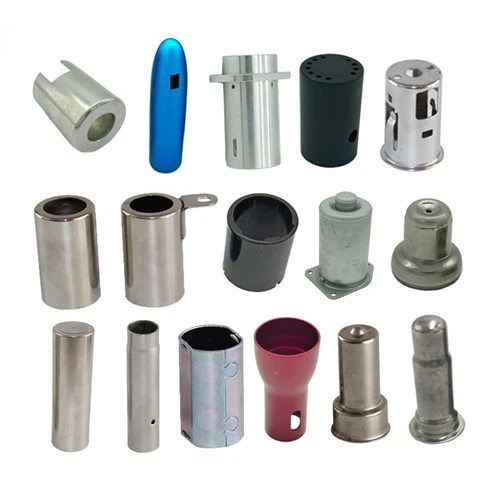


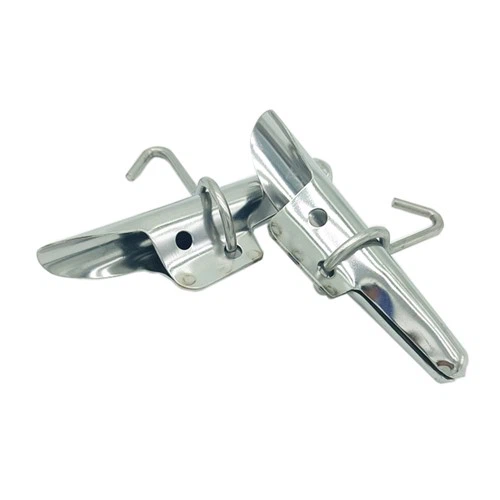


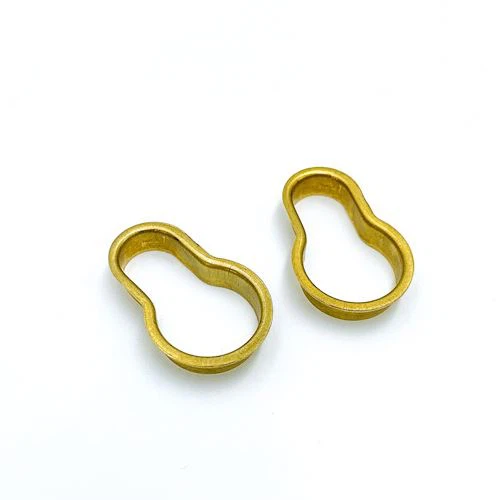

Deep Drawn Metal Stamping


●What is Deep Drawn Metal Stamping
Deep Draw is a type of metal stamping. It requires different knowledge, skills, and equipment than traditional metal stamping, which focuses on bending or forming. With deep drawing, the material is radially drawn, or in layman’s terms, sucked into the die. Air cushions inside the die help the material to stretch evenly and prevent wrinkling, leaving a clean finish. It is important to note that only cylindrical items can be made through the deep draw process.
●How Deep Drawing Metal Stamping Works
1. Securing metal sheet
The process begins with placing a metal sheet on the die or blank holder. Next, you must ensure proper uniform placement to avoid improper production.
2. Punching
In this step, the punch with a pre-set force directly hit on the metal sheet. This results in forming a cavity, cup, or irregular shape.
3. Getting product
After repeating the punching process, you will get the final product in the last step. Now remove it from the die, and you can use it on the go.
●Benefits of Deep Drawn Metals
●Material of Deep Drawn Metal Stamping
A wide range of metals can be deep drawn, providing a number of manufacturing options. The most common metals include mild steel, stainless steel, aluminum, copper, and brass.
●Surface treatment
Deep draw sheet metal parts generally have a smoother surface finish than metal stamped parts because there is only one deformation process during position manufacturing.
Stamping requires two processes (forming and recessing) to produce the part, which is resulting in a more complex and rougher surface finish. An embossing process can be added to enhance the appearance of the formed sheet metal part. Despite this, it doesn’t improve its structural properties, as it only increases the material thickness without changing shape or size. The embossing process does not provide structural support for the part.

Deep drawn stamping refers to the process of forming sheet metal under compressive and tensile conditions to into a cavity, producing a closed bottom, round, or irregularly shaped cup or cylinder. It should not be confused with stretch-forming.
Seamless parts
Deep drawn metal parts are created from a single sheet of metal
Rapid cycle times
Large quantities of products are easily manufactured through the deep draw process
Complex axi-symmetric geometries
Deep drawing delivers exceptional detail and accuracy
Reduced technical labor
Precision deep drawing can deliver similar results as technical labor in quicker time frames

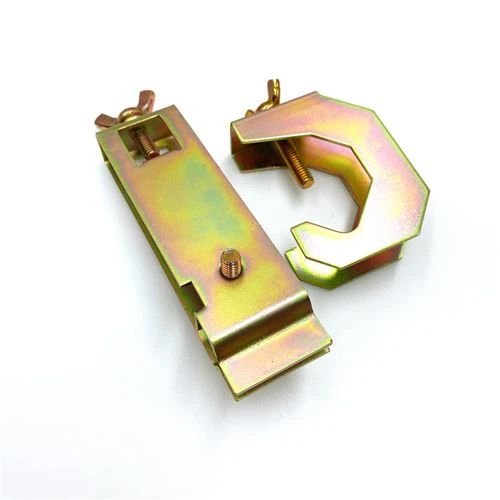
Typical Metal Forming Processes
Roll Forming is a process of feeding finished, coiled or flat metal through a series of rollers where each roller station further manipulates the piece of metal into the final shape.
Extrusion is a metal forming process by which long straight metal parts can be produced. Extrusion is done by squeezing metal in a closed cavity through a die using a mechanical or hydraulic press.
Casting is the process of pouring molten metal into a mold that contains an impression of desired shape. The metal then cools and hardens into the form given to it by its shaped mold.
Deep drawing is a process of forming metal into complex shapes achieved by a transfer press in which each station operates independently from the others. The first operation in the press creates a flat blank which is carried through as many as 12 punch and die operations to ultimately produce a finished part.
Stamping involves placing flat sheet metal in either coil or blank form into a stamping press. In the press, a tool and die surface form the metal into a desired shape. Punching, blanking, bending, coining, embossing, and flanging are all stamping techniques used to shape the workpiece.
Stamping involves placing flat sheet metal in either coil or blank form into a stamping press. In the press, a tool and die surface form the metal into a desired shape. Punching, blanking, bending, coining, embossing, and flanging are all stamping techniques used to shape the workpiece.
Forging is defined as the process of heating, deforming and finishing a piece of metal. Forgings are made by forcing materials desired shapes either by the force of hammer upon an anvil or by a die press enclosing a piece of metal and squeeze forming the part.
Material of Deep Draw Metal Stampings & Formed Parts
We have experience with many types of materials such as: Appropriate materials include aluminum alloys, brass, copper and copper alloys, titanium, cold rolled low carbon sheet steel, and some stainless steels. Ideal shapes for deep drawing include rectangles and axi-symmetric structures like cylinders or hemispheres, but the process can handle more complex shapes, too.
Manufacturing process
The forming process of stamping parts is usually one step. In contrast, forming a deep drawn part can include many steps, including die design, material preparation, blanking, drawing, trimming, and inspection. This means that the processing time of stamped parts is shorter than that of deep-drawn parts, which can significantly reduce costs. Additionally, stamping requires less machine maintenance. Because it uses less force than deep drawing, thus reducing the operating costs of the process.


What is Deep Draw Forming and Stamping Metal Parts
Deep Drawn stamping is a process of forming flat metal into a die to make precise, usually cylindrical shaped components. This is accomplished by feeding a coil of flat metal into a press with stations of tooling, each performing a repeating operation on the metal.
Versatility
Deep drawing stamping can create a wide variety of complex, detailed components, making it highly versatile.
Accuracy and repeatability
The deep-drawing process allows for an exceptional degree of precision, ensuring consistent quality across high-volume production runs.
Cost-efficiency
Deep drawing stamping is an economical choice for mass production, especially for less complicated shapes. Once the initial tooling costs are covered, the unit cost per part becomes relatively low.
Durability
As the process produces seamless parts, the resulting components are stronger and more robust compared to those created using other methods.
Deep drawing press is more expensive than stamping press because two presses are required to operate. A main press is required for deep drawing and a second press is required for stamping. However, because deep drawn parts are more accurate than stamped parts, they require less post-processing work, resulting in lower costs due to reduced scrap and labor costs.
On average, deep drawn cases have thinner cross-sections than stamped cases due to metal flow during the forming of process. The material is redistributed throughout the process, eliminating material accumulation on the mold walls for even distribution. This redistribution also enhances the flow of metal particles throughout the part, thereby enhancing mechanical properties.

Main Differences Between Deep Draw and Metal Stamping

Deep drawn parts are stronger than stamped parts because the stretching of the metal during the deep-drawing process results in greater flexibility, which increases strength. The stamping process does not have the same ability to draw metal, which results in less flexibility. This lack of elasticity makes stamping components more prone to failure when subjected to high stresses. The increased strength of drawn stamped parts is a significant advantage compared to stamped steel parts. It is the first choice for applications requiring high reliability.
Deep drawing is considered a formable process because it can easily deform sheet metal into complex shapes. Stamped parts are not as formable as deep drawn parts because the metal is not drawn, limiting its ability to deform into complex shapes. Parts that require deep drawing have higher formability than stamped parts.
Founded in 2008, Jiantong Hardware is one of the leading Chinese OEM manufacturer that provides a complete spectrum of custom metal fabrication services to the global customers. These services include metal fabrication, precision stamping and deep drawing, metal forming, welding, tool & die work, machining, powder coating,anodizing and laser cutting. We also provides a broad range of prototyping and tooling, EDM cutting, assembly and much more.

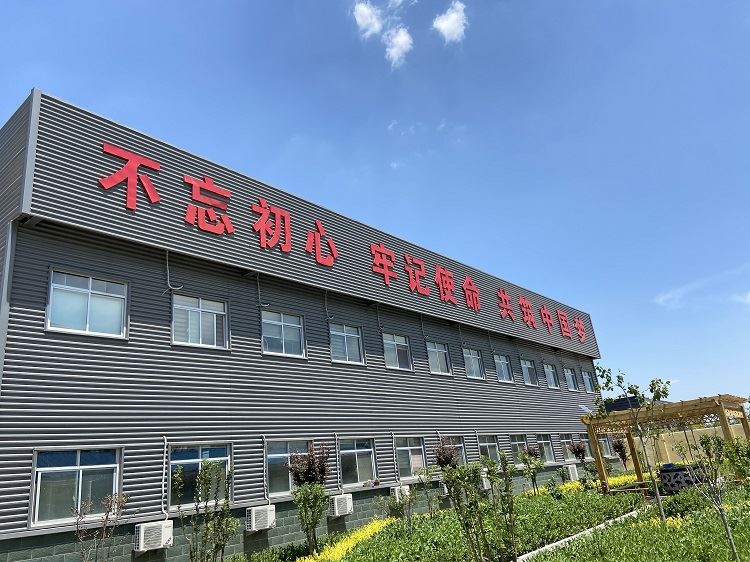


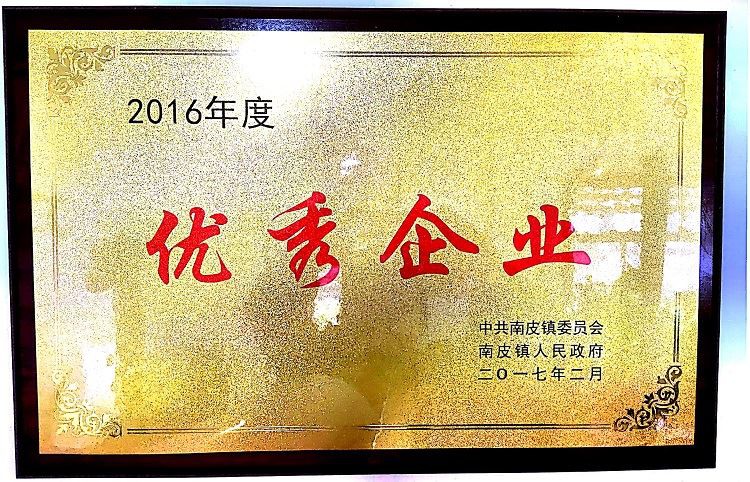

We're well-known as one of the leading deep drawing manufacturers and suppliers in China. If you're going to buy cheap deep drawing, welcome to get quotation and free sample from our factory. All customized products are with high quality and low price.
Mechanical Sealing deep drawn Components, Deep Drawing Stamping for Retaining Application, Deep Drawn Metal Enclosures and Cases(0/10)
